
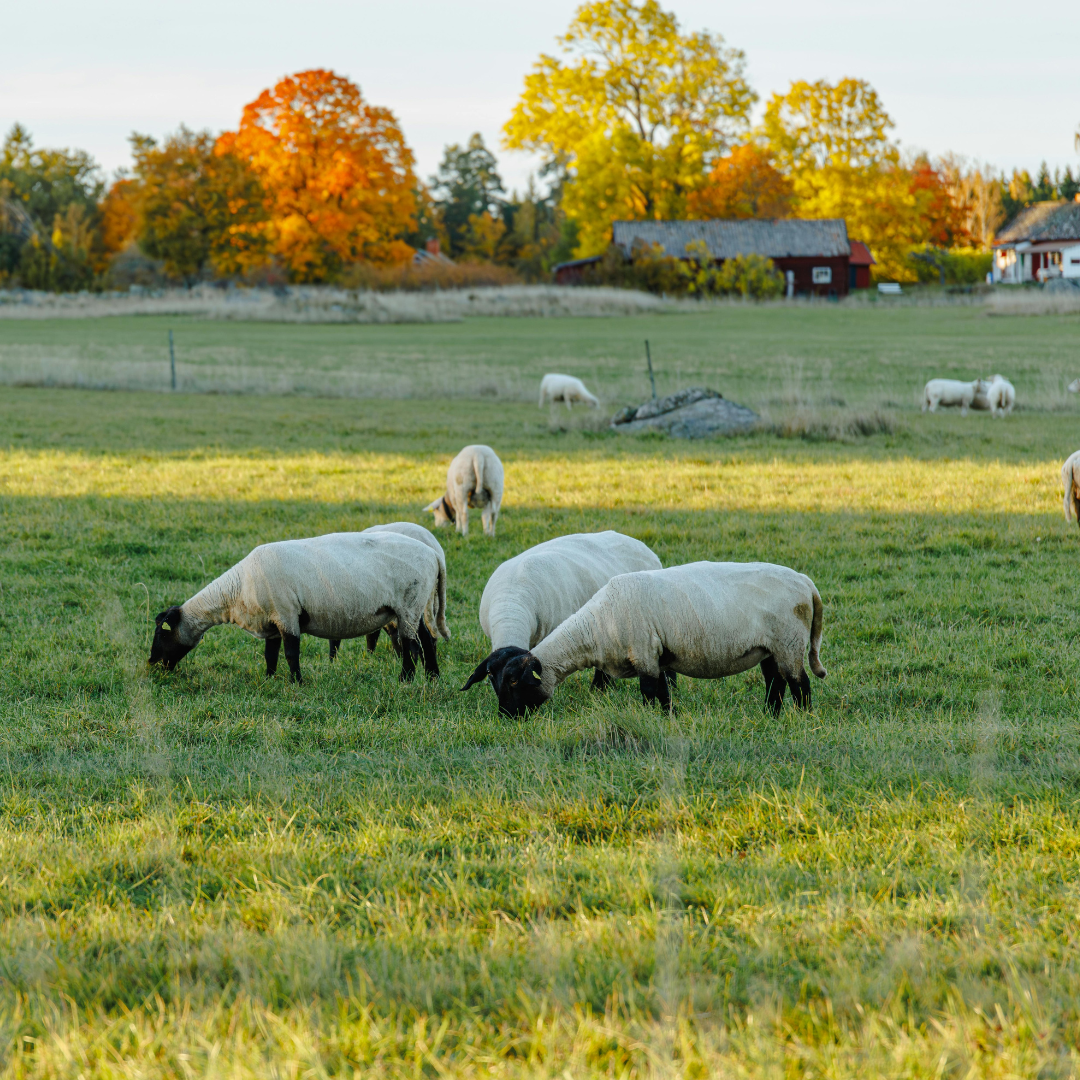
 Is it already time to talk about transitioning livestock care as summer ends? As August fades and September approaches in the Texas Hill Country, the intense heat begins to break, signaling a shift in seasons. For Fredericksburg farmers, this transition period is just as critical as the peak of summer. While the cooler mornings are a relief, the changing weather brings new challenges for livestock management. Adjusting your routine now ensures your herd remains healthy and productive as we head into fall.
Transitioning livestock from summer survival mode to fall preparation requires careful planning. Sudden changes in diet or environment can stress animals, leading to weight loss or illness. By focusing on gradual adjustments in feeding and pasture care, you can help your animals navigate this shift smoothly.
1. Evaluate Pasture Conditions and Forage Quality
By late summer, many pastures in Fredericksburg look tired. The grass may be dry, brown, and lacking the nutrients it held in spring. As the nutritional value of grazing land drops, your livestock may not get the energy they need just from foraging.
- Assess Availability: Walk your pastures to determine how much forage remains. If grass is short, you need to reduce the number of animals or start supplemental feeding immediately to prevent overgrazing.
- Rotational Grazing: If possible, rotate animals to fresh pastures that have rested. This allows the grazed areas to recover before the first frost halts growth entirely.
- Test Your Hay: If you are transitioning back to hay, test its quality. Knowing the protein and energy levels helps you decide if you need additional supplements to maintain body condition scores.
2. Adjust Feeding Programs Gradually
As temperatures drop, an animal’s energy requirements change. They need more calories to maintain body heat and condition, especially as they prepare for winter coats. However, the digestive systems of cattle, horses, sheep, and goats are sensitive.
- Introduce Supplements Slowly: If you need to add grain, protein cubes, or new hay to their diet, do so over several weeks. Start with small amounts and increase gradually. This prevents digestive upsets like bloat or colic.
- Monitor Water Intake: Even though it is cooler, hydration remains vital. Animals may drink less as the temperature drops, but they still need clean water to digest dry forage effectively. Ensure troughs remain clean and accessible.
3. Prepare for Cooler Weather Health Needs
The shift in seasons often brings a resurgence of certain pests and health concerns.
- Deworming: Late summer and early fall are key times to check parasite loads. Consult your vet about a deworming schedule that fits the seasonal transition.
- Vaccinations: Many producers vaccinate in the fall before weaning or wintering. Review your herd health plan to ensure vaccinations are up to date.
- Shelter Maintenance: Now is the time to check barns and windbreaks. Repair any summer storm damage to ensure animals have protection from the cold fronts that will arrive later in the year.
Your Partner for Transitioning Livestock Care as Summer Ends
Successful farming is all about looking ahead. Making small, proactive changes now sets your operation up for a successful winter.
For all your seasonal livestock care tips and supplies, visit Lochte Feed. We understand the unique rhythms of the Hill Country and stock the feeds, supplements, and health products you need for every season. Our team offers practical farm advice to help you make the best decisions for your herd.