
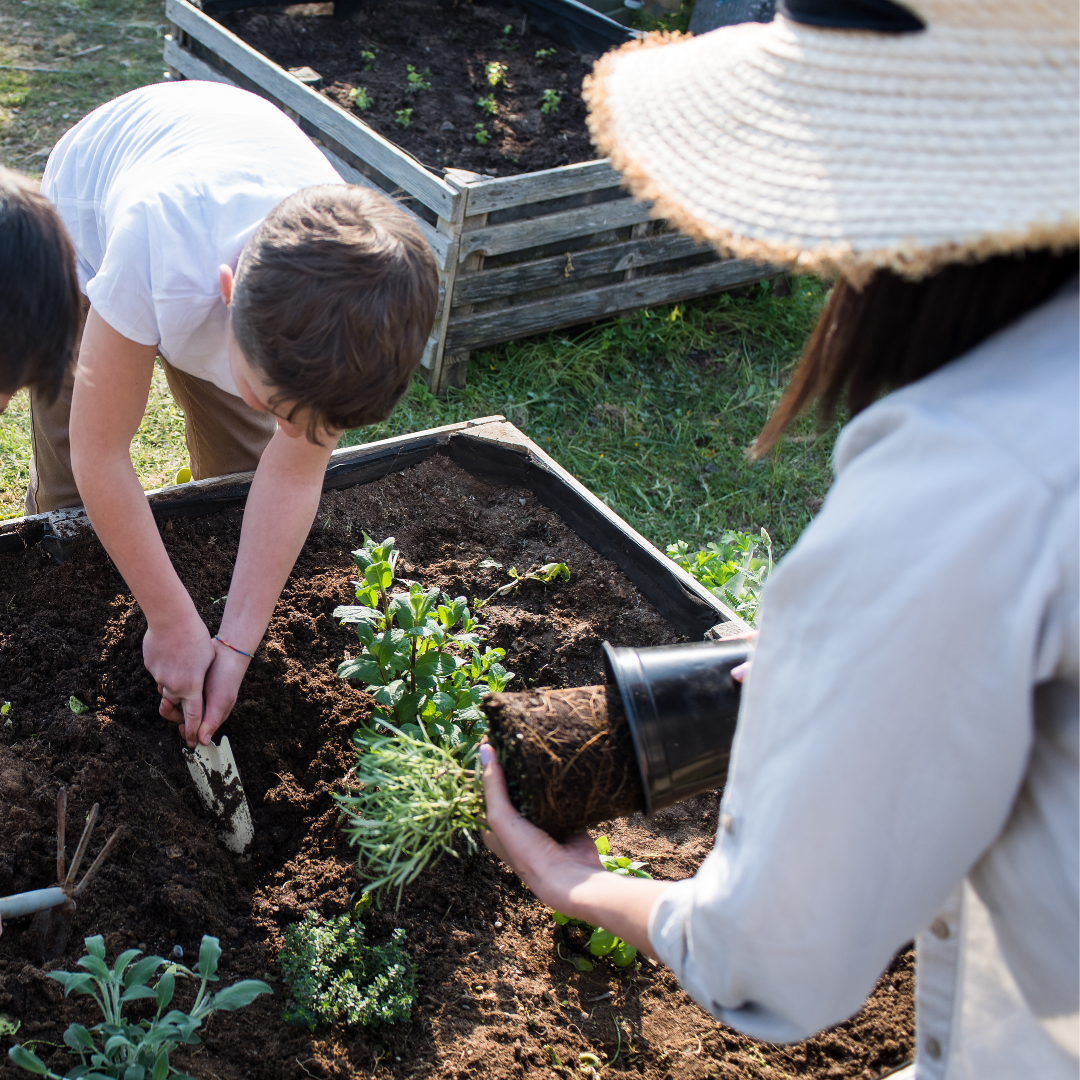
 The arrival of August signals the peak of Texas summer and you may be wondering how to keep your garden thriving in summer heat. While we enjoy the long days, the intense heat and dry spells can be tough on our gardens. Plants that were thriving in spring may now be wilting, struggling to survive the relentless sun. Keeping your garden alive and productive during this time requires a smart and consistent approach to care.
With the right strategies, you can help your plants beat the heat and continue to flourish. Protecting your garden now ensures it remains a source of beauty and bounty through the hottest part of the year. Here are some essential summer gardening tips for keeping your plants healthy and happy.
1. Water Deeply and Wisely
In extreme heat, how and when you water is more important than ever. Frequent, shallow watering encourages weak root systems that stay near the soil surface, making them vulnerable to drying out.
- Water in the Morning: The best time to water is early in the morning, between 6 and 10 a.m. This allows water to soak deep into the soil before the sun’s heat causes it to evaporate. Watering in the evening can sometimes promote fungal diseases.
- Go for a Deep Soak: Instead of a quick sprinkle every day, give your plants a long, deep watering two to three times a week. This encourages roots to grow deeper into the cooler soil, making them more resilient. Use a soaker hose or drip irrigation to deliver water directly to the base of the plants, minimizing waste.
- Check the Soil: Don’t just water on a schedule. Stick your finger a few inches into the soil. If it feels dry at that depth, it is time to water.
2. Mulch, Mulch, Mulch
Mulch is a gardener’s best friend during a Texas summer. A thick layer of organic mulch offers numerous benefits for protecting your plants from the heat.
- Regulates Soil Temperature: A 2- to 3-inch layer of mulch acts as insulation, keeping the soil cooler and protecting delicate roots from baking in the sun.
- Conserves Moisture: Mulch significantly reduces water evaporation from the soil surface, meaning you can water less often.
- Suppresses Weeds: It also blocks sunlight from reaching weed seeds, preventing them from sprouting and competing with your plants for water and nutrients. Good options include shredded cedar, pine bark, or compost.
3. Provide Afternoon Shade
The afternoon sun is the most intense and damaging. Even sun-loving plants can get scorched during a Fredericksburg heatwave.
- Use Shade Cloth: For vegetable gardens and sensitive ornamentals, draping a lightweight shade cloth over them during the hottest part of the day can prevent wilting and sunscald. You can buy shade cloth that filters a certain percentage of sunlight.
- Plant Strategically: When planning your garden, use taller, more robust plants like sunflowers or corn to provide natural shade for more delicate plants like lettuce or herbs.
4. Stay on Top of Pests
Hot, stressed plants are more susceptible to pests like spider mites and aphids. Inspect your plants regularly for any signs of an infestation. Catching a pest problem early makes it much easier to manage. If you spot pests, use an insecticidal soap or neem oil in the evening to avoid harming beneficial insects or burning the leaves.
Your Partner in Summer Gardening
A thriving summer garden is a testament to consistent and thoughtful care. With a little extra attention to watering, mulching, and shade, you can guide your plants through the toughest part of the year.
For all your Fredericksburg garden care needs, visit Lochte Feed. We have everything from soaker hoses and shade cloths to organic mulch and pest control solutions. Our team is ready to provide practical summer gardening tips to help your garden beat the heat.