
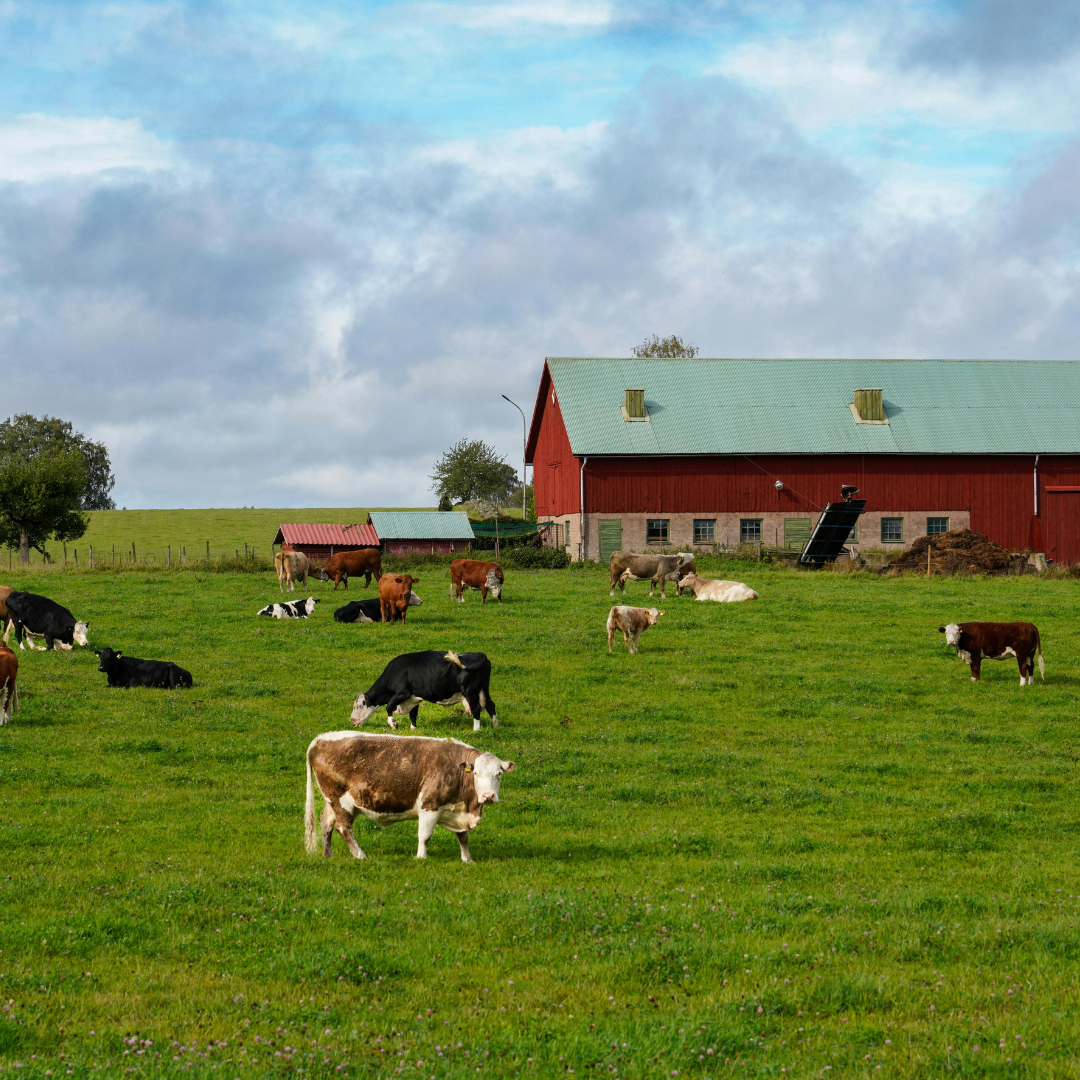
 Spring in Fredericksburg is a welcome sight, and it’s also the right time to ask how to transition livestock from winter to spring. As pastures turn green and temperatures rise, you might feel tempted to turn your livestock out onto lush grass immediately. However, rushing this process can lead to serious health issues for your herd. A successful spring transition requires a careful, gradual approach to protect your animals’ digestive systems.
Shifting from dry winter hay to moisture-rich spring grass is a major dietary change. By managing this transition wisely, you ensure your cattle, horses, sheep, and goats stay healthy and productive throughout the grazing season. Here is how to navigate the switch safely.
1. Avoid the “Cold Turkey” Switch
The most common mistake ranchers make is stopping hay feeding the moment green grass appears. Spring grass has a high water content and is low in fiber compared to dry hay. If an animal’s digestive system switches too quickly, the rumen microbes cannot adapt fast enough.
- Continue Feeding Hay: Keep providing high-quality hay even after you turn animals out to pasture. The dry fiber helps slow down digestion and balances the lush, watery grass.
- Limit Grazing Time: Start by letting animals graze for only an hour or two each day, then bring them back to a dry lot with hay. Gradually increase their grazing time over two to three weeks until their systems adjust.
2. Watch Out for Grass Tetany and Bloat
Young, fast-growing spring grass is often rich in potassium but low in magnesium. This imbalance can lead to grass tetany (magnesium deficiency), especially in lactating cows. Additionally, the high protein and low fiber content of legumes like clover can cause frothy bloat, a life-threatening condition where gas gets trapped in the rumen.
- Provide High-Magnesium Minerals: Switch to a high-mag mineral supplement a few weeks before turning cattle onto lush pastures. This helps prevent grass tetany.
- Use Bloat Blocks: For pastures heavy in clover or alfalfa, consider using bloat-guard blocks or additives to reduce the risk of bloat.
- Fill Them Up First: Never turn hungry animals onto fresh spring pasture. Feed them a full meal of dry hay beforehand so they don’t gorge themselves on the green grass.
3. Monitor Body Condition
While green grass looks nutritious, early spring growth is mostly water. An animal can have a full stomach but still be nutrient-deficient because they physically cannot eat enough volume to meet their energy needs.
- Supplement as Needed: Continue offering grain or protein cubes until the grass matures slightly and offers more substance.
- Check Weight regularly: Keep an eye on body condition scores. If animals start dropping weight despite the green fields, they need more supplemental energy.
Your Partner for a Healthy Spring
Transitioning your livestock carefully pays off in better health and performance all season long. Don’t let the excitement of spring lead to preventable vet bills.
For all your transitioning livestock to spring needs, visit Lochte Feed. Located in Fredericksburg, Texas, we stock high-magnesium minerals, bloat preventatives, and quality hay to help you manage this critical period. Our team offers practical Fredericksburg ranching tips to keep your herd thriving.