
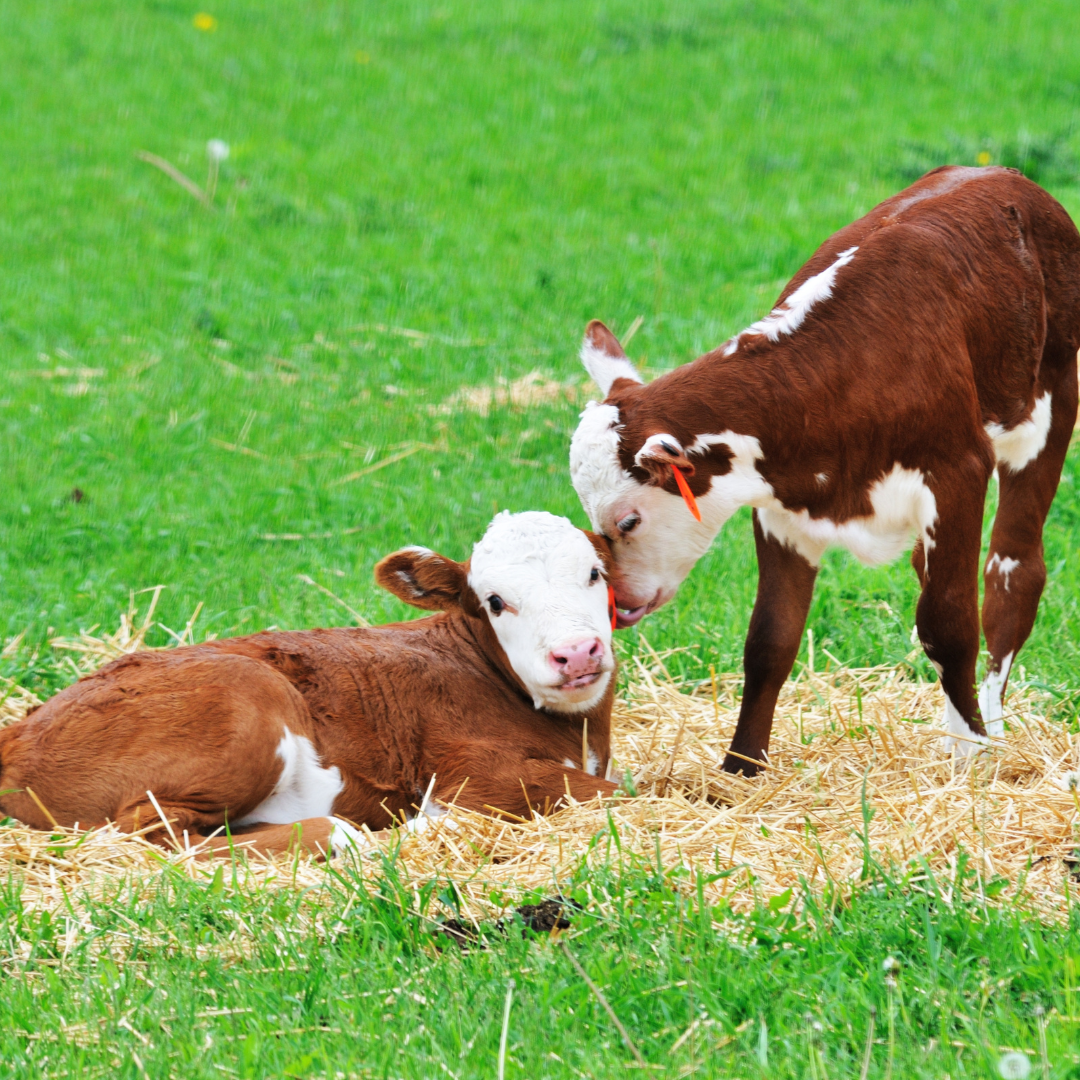
 Calving season is the most critical and rewarding time of year for Texas cattle ranchers. A successful season sets the foundation for your operation’s profitability and future growth. While we can’t control the weather, careful preparation and management can significantly reduce stress on both your cows and yourself, leading to healthier calves and a smoother process.
For ranchers in the Fredericksburg area, getting ready for calving season means more than just watching the calendar. It involves strategic planning around nutrition, environment, and newborn care. These best practices will help you prepare for a safe and successful calving season.
1. Prepare Your Cows for Calving Season with Proper Nutrition
The health of the calf starts with the health of the cow. A cow’s nutritional status in the last trimester of pregnancy directly impacts calf vigor, birth weight, and her ability to produce high-quality colostrum.
- Increase Energy: A cow’s energy needs increase by about 30% in the last few months before calving. Ensure she has access to high-quality forage. If pasture is limited, supplement with good hay and energy-dense cubes.
- Monitor Body Condition: Aim for a body condition score (BCS) of 5 or 6. Cows that are too thin may have difficulty calving and may not rebreed quickly. Overly fat cows can also face complications.
- Provide Minerals: A balanced mineral program is crucial for fetal development and the cow’s immune system. Ensure a quality mineral mix is available at all times.
2. Set Up a Clean Calving Area
Designate a specific pasture for calving. This area should be clean, dry, and easily accessible for monitoring.
- Choose a Safe Pasture: Select a smaller, well-drained pasture close to your home or barn. This makes it easier to check on expectant mothers frequently, even at night.
- Provide Shelter: While many Texas cows calve just fine outdoors, having a clean, dry area with a windbreak is essential during a cold, wet front. This gives a weak calf a better chance of survival.
- Keep it Clean: A clean environment minimizes the risk of scours and other newborn illnesses. Move pairs out of the calving pasture a few days after birth to keep the area clean for the next arrivals.
3. Be Ready for Newborn Calf Care
Most births will happen without any help, but being prepared for complications can save a calf’s life.
- Colostrum is Key: The first milk, or colostrum, is packed with essential antibodies. A calf needs to nurse within the first few hours of life to receive this vital immune protection. If a calf is weak or the mother is uncooperative, have colostrum replacer on hand to tube-feed the calf.
- Dip the Navel: As soon as possible after birth, dip the calf’s navel in an iodine solution. This simple step helps prevent infections by sealing the umbilical cord.
- Tag and Record: Tag the calf for identification and record its birth date, sex, and calving ease. This information is valuable for managing your herd’s genetics and performance.
Your Partner for Calving Season in Fredericksburg
A well-prepared calving season is a profitable one. Taking these steps ensures you are ready for whatever challenges come your way.
For all your calving supplies, visit Lochte Feed. Located in Fredericksburg, Texas, we provide essential Tips for Calving Season and stock everything you need, from high-energy feeds and mineral supplements to colostrum replacers and navel dip. Our team understands Texas ranching advice and is here to help you succeed.